February 09, 2026
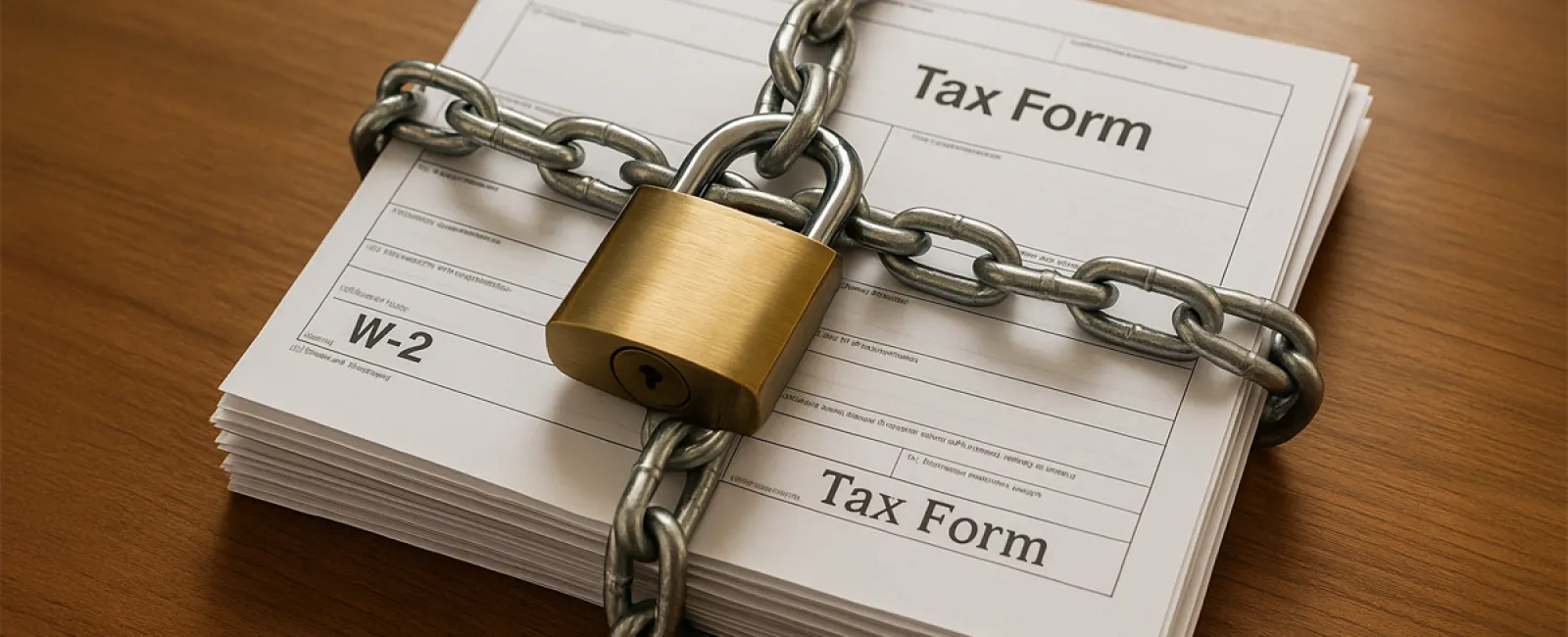
February is here and tax season is in full swing. Your accountant's schedule is filling up, your bookkeeper is gathering crucial documents, and everyone's thoughts are on W-2s, 1099s, and looming deadlines.
But here's a hidden danger many overlook: the first true headache during tax season often isn't paperwork—it's a sophisticated scam.
One particularly common scam hits early because it's simple, convincing, and targets small businesses. It might already be lurking in someone's inbox at your company, ready if you're not prepared for the risks.
Unveiling the W-2 Scam: What You Need to Know
Here's how the scam unfolds:
A staff member responsible for payroll or HR receives an email that seems to come from the CEO, owner, or a senior executive.
The email is concise and pressing:
"Hey, I need copies of all employee W-2s for an urgent meeting with the accountant. Please send them ASAP—I'm swamped today."
It feels genuine: the tone matches a busy tax season, the urgency appears natural, and the request seems reasonable.
The employee promptly sends over the W-2 forms.
But the catch? The email isn't from your CEO; it's from a cybercriminal using a fake email address or a deceptive domain.
Now, the scammer holds every employee's:
• Full legal name
• Social Security number
• Home address
• Salary details
All the sensitive information needed to commit identity theft and file fraudulent tax returns before your employees can.
Consequences of Falling for the Scam
Victims typically discover the fraud when:
An employee files their tax return but it's rejected with the message: "Return already filed for this Social Security number."
Someone else has filed using their identity and already claimed the refund.
The employee then faces IRS complications, credit monitoring challenges, identity theft protection measures, and months of paperwork—all triggered by a single deceptive email.
Imagine multiplying this across your entire payroll and having to explain how personal data was compromised due to a phishing attack.
This isn't merely a security breach; it jeopardizes trust, causes HR nightmares, risks lawsuits, and damages your company's reputation.
Why This Scam Is So Effective
This isn't a crude scam like a Nigerian prince email. It's intentionally designed to appear authentic.
Its effectiveness lies in:
- Perfect timing: W-2 requests are expected in February, so no suspicion arises.
- Reasonable request: Unlike odd demands for money transfers, W-2 sharing is typical.
- Normal urgency: "I'm busy, please send quickly" sounds plausible during tax season.
- Realistic sender appearance: Scammers research target executives' names and mimic them precisely.
- Employees' helpfulness: A desire to assist leadership often overrides cautious verification.
Steps to Shield Your Business Before the Scam Strikes
The good news? You can prevent this scam through clear policies and a security-minded culture—not just secure tech.
Implement a strict "no W-2s via email" rule. No exceptions. Payroll documents with sensitive data should never leave your organization as email attachments. If someone requests them by email—even if apparently from the CEO—the answer must be "no."
Always verify sensitive requests through a second channel: a phone call, an in-person check, or a separate chat platform. Never reply directly to the suspicious email. Use known contact information, not numbers provided in the email. This brief check can prevent protracted fallout.
Hold a short 10-minute meeting right now to brief your payroll and HR teams about rising tax scams. Don't delay until it's too late. Educate them on common tactics and proper responses.
Strengthen access controls with multi-factor authentication (MFA) on all payroll and HR systems. MFA is a critical barrier preventing unauthorized access, even if credentials are compromised.
Cultivate a culture where verification is encouraged and appreciated. Employees who double-check requests—even from executives—should be recognized, not rebuked. Encouraging skepticism leaves scammers nowhere to hide.
These five strategic rules are straightforward to implement this week and powerful enough to halt the initial wave of scams.
The Larger Threat Landscape
The W-2 scam is just the beginning.
As tax season progresses toward April, expect a surge in tax-themed cyberattacks, including:
• Fake IRS notices demanding immediate payments
• Phishing emails masquerading as tax software updates
• Fraudulent communications from "your accountant" containing harmful links
• Illegitimate invoices crafted to look like tax expenses
Cybercriminals exploit tax season because distractions are high, urgency is constant, and financial requests feel routine.
Companies that get through tax season without incident aren't lucky—they're prepared. They have solid policies, employee training, and systems to spot suspicious requests before disaster strikes.
Is Your Business Prepared to Face These Threats?
If your company already has strong policies and informed staff, you're ahead of most small businesses.
If you haven't yet taken these steps, now is the time—not after the first costly scam.
For businesses still preparing, schedule a 15-minute Tax Season Security Check.
During this consultation, we will assess:
• Payroll and HR access controls and MFA effectiveness
• Your processes for verifying W-2 requests
• Email security measures that detect spoofing
• One critical policy adjustment most companies overlook
Even if your business feels secure, consider sharing this information with others who might be vulnerable—it could prevent a significant financial disaster.
Click here or give us a call at 905-947-1636 to schedule your free 15-Minute Discovery Call.
Because tax season is already stressful enough without the added burden of identity theft.