October 13, 2025
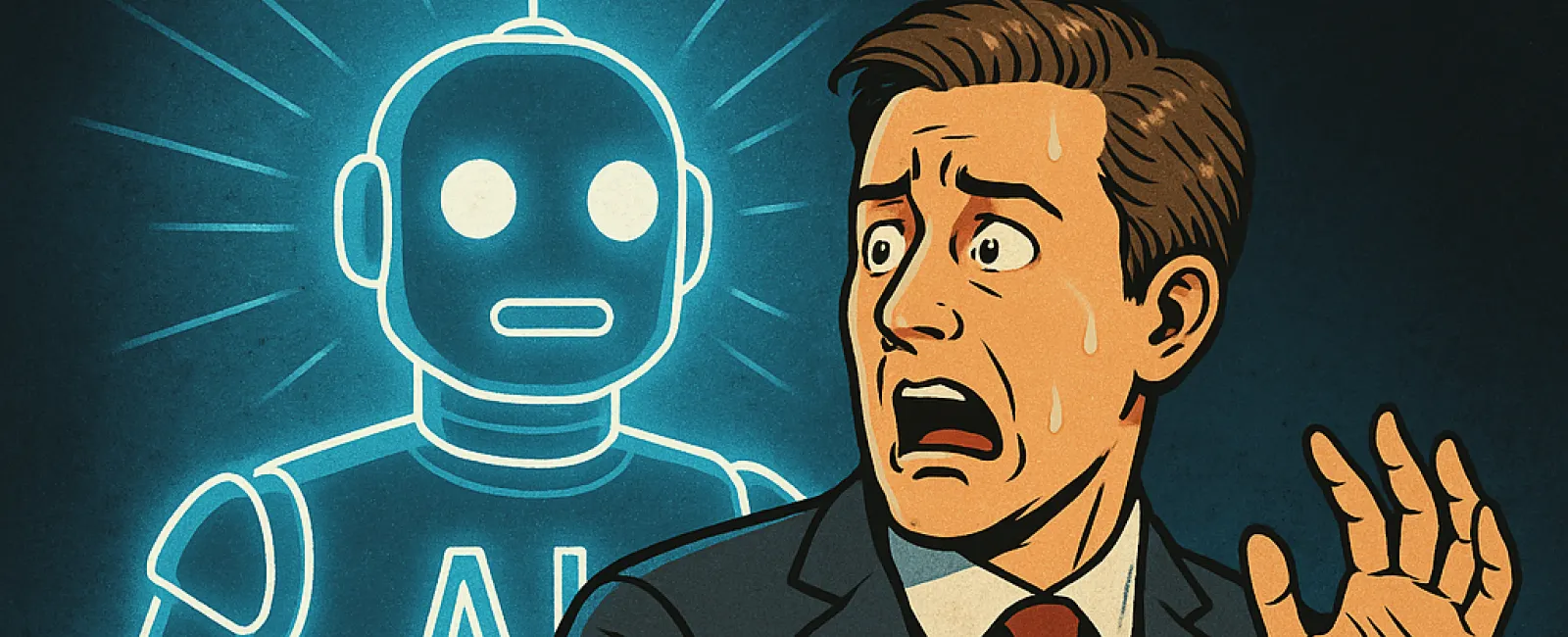
Artificial Intelligence is evolving at lightning speed, transforming the way businesses operate. While this innovation is thrilling, it also opens doors for cybercriminals who have access to the same AI technologies. Let's shed light on some of the hidden AI-driven threats lurking in the shadows.
Beware of AI Doppelgängers in Your Video Calls - The Deepfake Danger
Deepfake technology powered by AI can now produce eerily realistic video impersonations. Malicious actors exploit this to conduct sophisticated social engineering attacks targeting organizations.
For instance, a recent case involved an employee at a cryptocurrency foundation encountering multiple deepfake versions of their company's top executives in a Zoom meeting. These imposters instructed the employee to install a Zoom extension granting microphone access, paving the way for a North Korean hacking attempt.
Such scams are disrupting traditional verification methods. To protect your business, watch for unusual facial movements, extended silent periods, or inconsistent lighting during video calls.
Phishing Emails with a New Face - Stay Alert Against AI-Powered Scams
Phishing emails remain a persistent threat, but AI has elevated their sophistication, enabling attackers to craft messages without the usual giveaway mistakes like poor grammar or misspellings.
Attackers are integrating AI to effortlessly translate phishing emails and landing pages into multiple languages, enabling large-scale campaigns to reach global targets.
Despite these advancements, standard defenses still apply. Implementing multifactor authentication (MFA) significantly raises the barrier for attackers who lack access to your secondary device. Additionally, ongoing security awareness training empowers employees to recognize urgent or suspicious messaging cues.
Malicious AI Tools - Malware Masquerading as Innovation
Cybercriminals exploit AI's popularity by disguising malware as AI-powered software. They cleverly tailor malicious campaigns around trending topics and seasonal events like Black Friday, enticing users with fake "AI video generators" or other counterfeit AI applications packed with harmful code.
For example, a TikTok account promoting methods to install "cracked software" bypassing license checks for apps like ChatGPT was uncovered as a front for distributing malware via PowerShell commands.
Training your staff to recognize these risks is crucial. Before adding new AI tools, ask your managed service provider (MSP) to thoroughly vet them to ensure your business remains secure.
Ready to Exorcise the AI Threats Endangering Your Business?
Don't let AI-driven cyber threats cause sleepless nights. Although attackers are becoming more ingenious with deepfakes, phishing, and malicious AI applications, implementing strong defenses ensures your organization stays ahead.Click here or call us at 905-947-1636 to arrange your free 15-Minute Discovery Call. Together, we'll discuss effective strategies to shield your team from the dark side of AI before it escalates into a major risk.